
Buying a used car can save you thousands of dollars compared to purchasing new, but it also comes with risks if you don’t know what to look for. A little preparation goes a long way in helping you find a reliable vehicle at a fair price.
Why Consider a Used Car
Used cars depreciate slower than new ones, meaning you avoid the steep value drop that happens the moment a new car leaves the lot. With careful research, you can find a dependable vehicle that fits your budget without sacrificing quality.
Steps to Buying a Used Car
1. Set a Realistic Budget
Determine how much you can afford, including taxes, insurance, and potential repair costs. Avoid stretching your budget too thin, and consider financing options if paying in full isn’t feasible.
2. Research Reliable Models
Look into makes and models known for durability and lower maintenance costs. Reading owner reviews and reliability ratings can help narrow down your options before you start shopping.
3. Decide Where to Buy
Dealerships often offer certified pre-owned vehicles with warranties, while private sellers may offer lower prices but less protection. Weigh the pros and cons based on your comfort level and budget.
4. Check the Vehicle History Report
Before committing, request a vehicle history report using the VIN. This reveals past accidents, title issues, odometer discrepancies, and previous ownership details.
Inspecting the Vehicle
Exterior and Interior Condition
Look for rust, dents, mismatched paint, or worn upholstery, which can indicate poor maintenance or previous accidents.
Under the Hood
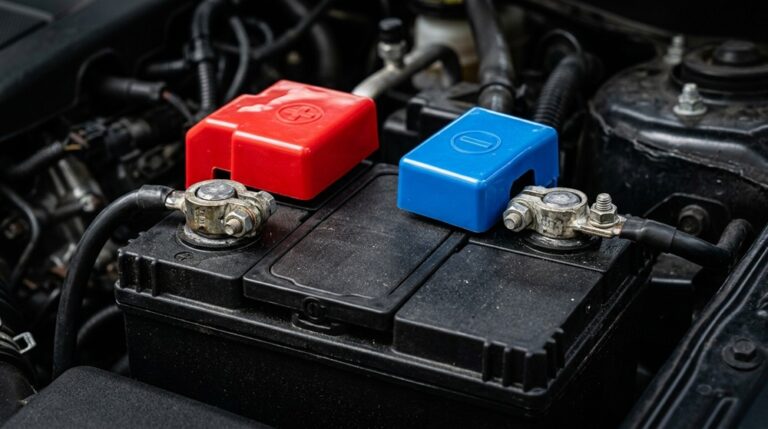
Check for leaks, corrosion, or unusual wear on belts and hoses. A clean, well-maintained engine bay often reflects responsible ownership.
Tires and Brakes
Examine tire tread depth and brake condition, as uneven wear can indicate alignment issues or costly repairs ahead.
Test Drive
Always take the car for a test drive. Pay attention to unusual noises, smooth acceleration, responsive braking, and overall comfort.
Getting a Professional Inspection
Even if a car looks great, hiring a trusted mechanic to perform a pre-purchase inspection can uncover hidden issues that aren’t visible during a standard test drive.
Negotiating the Price
Know the Market Value
Research the car’s fair market value using online pricing tools before negotiating. This gives you leverage and prevents overpaying.
Be Willing to Walk Away
If the seller won’t budge on a fair price or the car has red flags, don’t be afraid to walk away and continue your search.
Finalizing the Purchase
Review the Paperwork Carefully
Ensure the title is clean, and double-check the bill of sale, registration, and any warranty documents before finalizing the deal.
Arrange Insurance Before Driving Off
Have insurance coverage ready before taking possession of the vehicle to ensure you’re legally protected from day one.
Final Thoughts
Buying a used car doesn’t have to be stressful. By researching thoroughly, inspecting carefully, and negotiating wisely, you can find a reliable vehicle that fits your needs and budget without unnecessary risk.
Ready for the next topic whenever you are.