
You never know when a breakdown, accident, or sudden weather change will leave you stranded. Keeping the right emergency items in your car can turn a stressful situation into a manageable one, and in some cases, could even save a life.
Why Every Driver Needs an Emergency Kit
Emergencies rarely happen at convenient times or locations. Whether you’re stuck on a rural road or caught in a sudden storm, having essential supplies on hand keeps you safe, comfortable, and prepared while help arrives.
Essential Safety Items
1. Jumper Cables or Portable Jump Starter
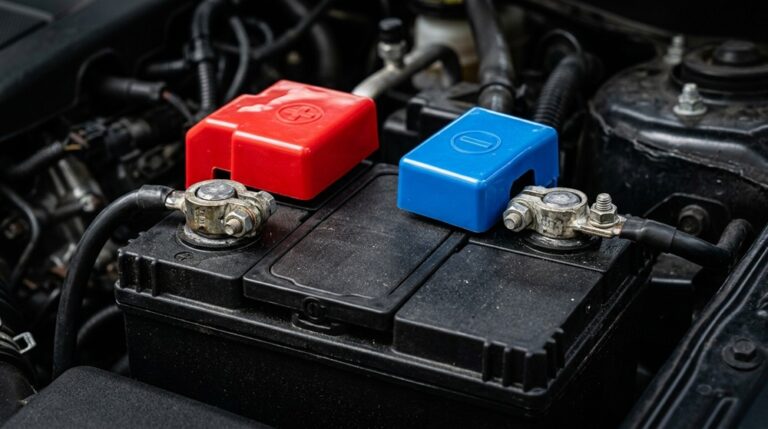
A dead battery is one of the most common roadside issues. Jumper cables or a portable jump starter let you get back on the road without waiting for outside assistance.
2. Flashlight and Extra Batteries
A reliable flashlight helps you see under the hood at night, signal for help, or navigate safely if you need to leave your vehicle in the dark.
3. Reflective Triangles or Flares
Placing reflective triangles or flares behind your vehicle warns oncoming traffic, reducing the risk of accidents while you wait for help.
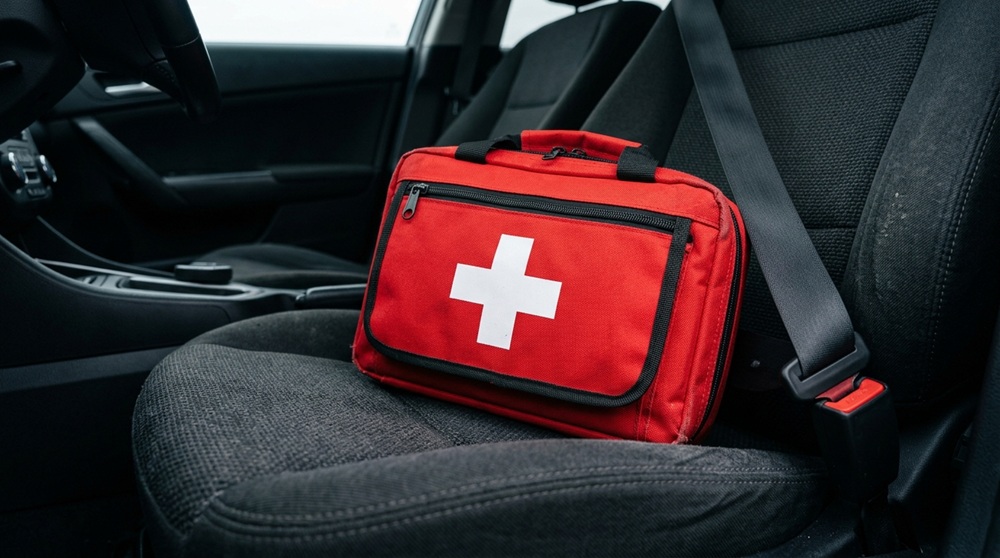
4. First Aid Kit
A basic first aid kit with bandages, antiseptic wipes, gauze, and pain relievers can handle minor injuries until professional care is available.
5. Tire Repair Kit and Spare Tire
A flat tire shouldn’t leave you stranded. Keep a spare tire, jack, and lug wrench, or a tire sealant kit, ready for quick roadside repairs.
Weather-Related Essentials
Blankets and Warm Clothing
If you’re stuck in cold weather, blankets or extra layers can prevent hypothermia while you wait for assistance.
Water and Non-Perishable Snacks
Bottled water and snacks like granola bars or nuts can keep you fueled and hydrated during extended waits, especially in remote areas.
Ice Scraper and Small Shovel
For winter driving, an ice scraper clears windows quickly, while a small shovel can help dig your car out of snow.
Communication and Navigation Tools
Portable Phone Charger
A dead phone during an emergency limits your ability to call for help. Keep a fully charged portable charger in your glove compartment.
Paper Map or Offline Navigation
In areas with poor cell service, a paper map or downloaded offline map ensures you can still find your way.
Additional Useful Items
- Multi-tool or basic toolkit for minor repairs
- Duct tape for temporary fixes on hoses or trim
- Rain poncho to stay dry while working outside the vehicle
- Whistle to signal for help if needed
Organizing Your Emergency Kit
Store items in a sturdy, waterproof container or bag in your trunk. Check your kit every few months to replace expired items, dead batteries, or used supplies.
Final Thoughts
Being prepared for roadside emergencies isn’t about expecting the worst — it’s about ensuring peace of mind. With a well-stocked emergency kit, drivers can handle unexpected situations confidently and stay safe until help arrives.
Ready for the next topic whenever you are.