
Choosing between an electric vehicle (EV) and a hybrid car depends on your driving habits, budget, and lifestyle. Both options offer improved efficiency over traditional gas vehicles, but they work very differently. Understanding those differences can help you make the right choice.
Understanding the Basics
What Is an Electric Vehicle?
EVs run entirely on electricity stored in a battery pack. There’s no gasoline engine, which means zero tailpipe emissions and a need for regular charging rather than refueling.
What Is a Hybrid Vehicle?
Hybrids combine a gasoline engine with an electric motor. The two work together to improve fuel efficiency, with the electric motor assisting during acceleration or low-speed driving.
Key Differences to Consider
1. Charging vs. Refueling
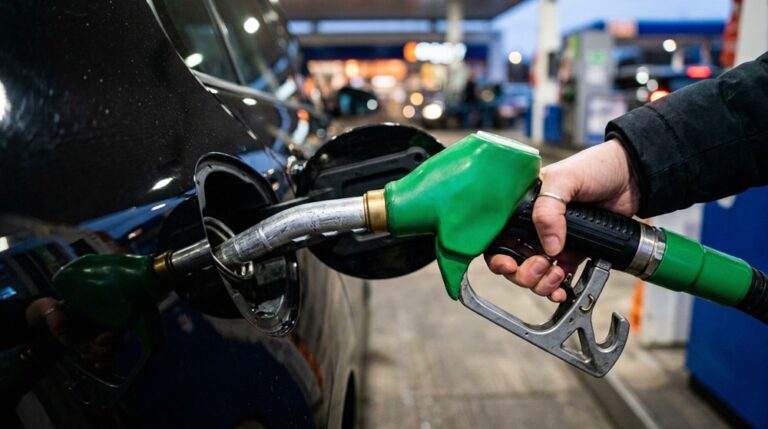
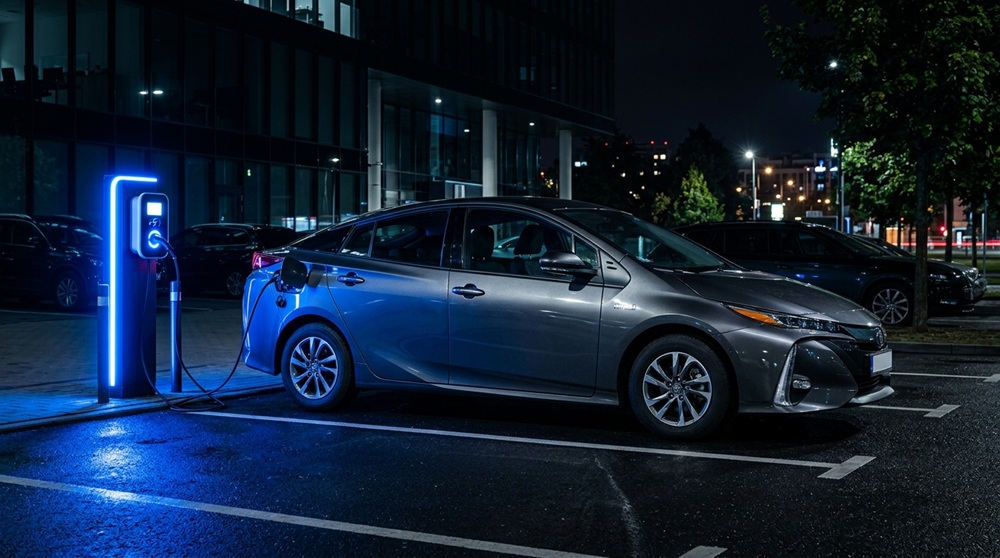
EVs require access to charging stations, whether at home, work, or public locations. Hybrids simply refuel at gas stations, making them more convenient for drivers without easy charging access.
2. Driving Range
Traditional hybrids don’t rely on external charging and offer virtually unlimited range as long as you can refuel. EVs have improved significantly, but range anxiety remains a concern for long road trips, especially in areas with limited charging infrastructure.
3. Upfront Cost
Hybrids generally cost less upfront than EVs, though prices vary by model. EVs often come with a higher purchase price but may qualify for tax incentives that offset the difference.
4. Fuel and Maintenance Savings
EVs eliminate gas costs entirely and have fewer moving parts, often resulting in lower long-term maintenance. Hybrids reduce fuel consumption but still require gas and traditional engine maintenance.
5. Environmental Impact
EVs produce zero direct emissions, making them the cleaner option, especially when charged with renewable energy. Hybrids reduce emissions compared to gas-only vehicles but still burn fuel.
Which Option Fits Your Lifestyle?
Choose an EV If:
- You have consistent access to home or workplace charging
- Your daily driving distance fits within the vehicle’s range
- You want to minimize environmental impact and long-term fuel costs
- You’re comfortable planning routes around charging stations for longer trips
Choose a Hybrid If:
- You frequently take long road trips without reliable charging access
- You want better fuel efficiency without changing your refueling habits
- You prefer a lower upfront cost with fewer lifestyle adjustments
- You’re not ready to fully commit to electric-only driving
Other Factors to Weigh
Charging Infrastructure in Your Area
Urban areas typically offer more charging stations than rural regions. Research availability near your home and workplace before committing to an EV.
Incentives and Rebates
Government incentives can significantly reduce the cost of EVs. Check local and federal programs to see how much you could save.
Resale Value
EV resale value has historically fluctuated more than hybrids due to rapidly evolving battery technology, though this is gradually stabilizing as the market matures.
Final Thoughts
There’s no universal right answer between electric and hybrid vehicles — it depends on your driving patterns, budget, and access to charging infrastructure. Consider your daily routine and long-term goals to choose the option that best fits your lifestyle.
Ready for the next topic whenever you are.