
A dead battery at the wrong moment is more than an inconvenience — it can leave you stranded and disrupt your entire day. Knowing the early warning signs can help you replace your battery before it fails completely.
Why Battery Health Matters
Your car battery powers the electrical systems that start your engine and keep everything running smoothly. As batteries age, their ability to hold a charge weakens, making failure more likely without warning.
Common Signs Your Battery Is Failing
1. Slow Engine Crank
If your engine takes longer than usual to start or sounds sluggish when turning over, it’s often an early sign that your battery is losing power.
2. Dashboard Warning Light
Most vehicles have a battery-shaped warning light on the dashboard. If it turns on, it’s time to have your battery and charging system tested.
3. Dim Headlights and Interior Lights
A weakening battery struggles to power your car’s electrical components fully, often resulting in noticeably dimmer headlights, dashboard lights, or interior lighting.
4. Frequent Jump Starts
If you find yourself needing jump starts more than once, your battery is likely nearing the end of its lifespan rather than experiencing a one-time issue.
5. Swollen or Bloated Battery Case
Extreme temperatures can cause a battery case to swell or bulge. This is a clear sign of internal damage and means the battery needs immediate replacement.
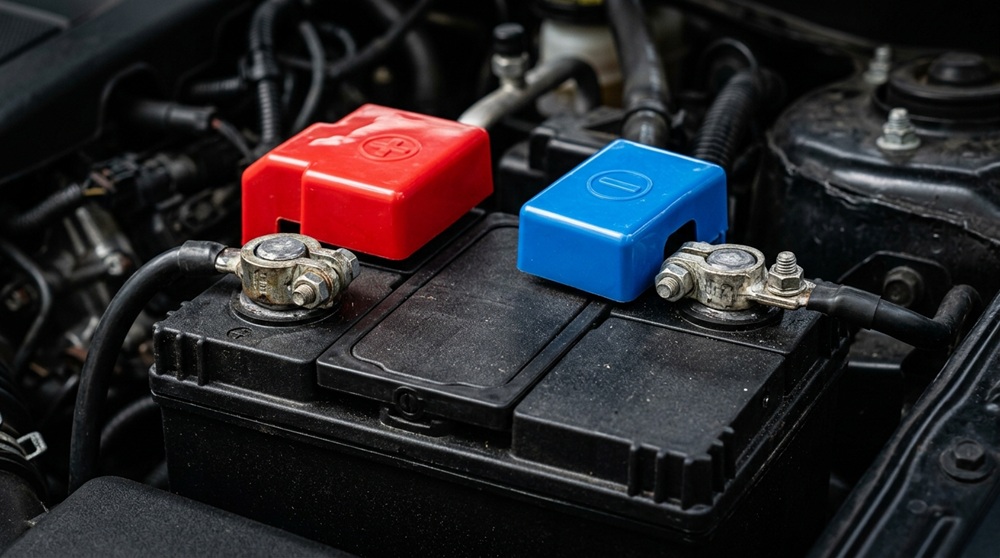
6. Corrosion Around the Terminals
A white, chalky substance around the battery terminals indicates corrosion, which can interfere with the connection and reduce battery efficiency.
7. Old Age
Most car batteries last three to five years. Even without obvious symptoms, batteries approaching or exceeding this age range should be tested regularly.
8. Unusual Electrical Issues
Malfunctioning power windows, radio resets, or flickering dashboard displays can point to insufficient power from an aging battery.
What Causes Battery Failure
Extreme Temperatures
Both intense heat and freezing cold accelerate battery deterioration, reducing overall lifespan and performance.
Short Trips
Frequent short drives don’t give the alternator enough time to fully recharge the battery, gradually weakening it over time.
Parasitic Drains
Leaving lights on, faulty wiring, or electronics drawing power while the car is off can drain the battery even when it’s otherwise healthy.
How to Extend Battery Life
- Drive regularly to keep the battery properly charged
- Clean terminals periodically to prevent corrosion buildup
- Limit electronic use when the engine isn’t running
- Test your battery annually, especially as it approaches three years old
When to Replace Your Battery
If you notice multiple warning signs or your battery is nearing the end of its expected lifespan, it’s safer to replace it proactively rather than waiting for a complete failure, often at the most inconvenient time.
Final Thoughts
Recognizing the early signs of battery failure can save you from unexpected breakdowns and costly towing fees. Regular testing and proactive replacement ensure your vehicle stays reliable, no matter the season.
Ready for the next topic whenever you are.