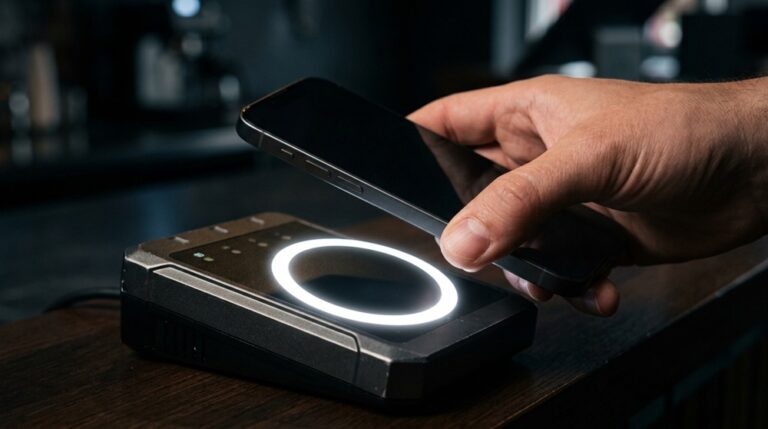

Smart home technology has moved well beyond novelty gadgets and voice-activated lights. Today’s devices offer genuine convenience, energy savings, and security improvements, making thoughtful smart home investments more practical than ever.
Why Smart Home Adoption Continues Growing
As technology becomes more affordable and interconnected, smart home devices increasingly work together seamlessly, creating genuinely useful automation rather than isolated, gimmicky features.
Top Smart Home Devices Worth Considering
1. Smart Thermostats
Smart thermostats learn household patterns and adjust temperatures automatically, reducing energy waste while maintaining comfort. Many now offer detailed energy usage reports to help identify savings opportunities.
2. Video Doorbells and Security Cameras
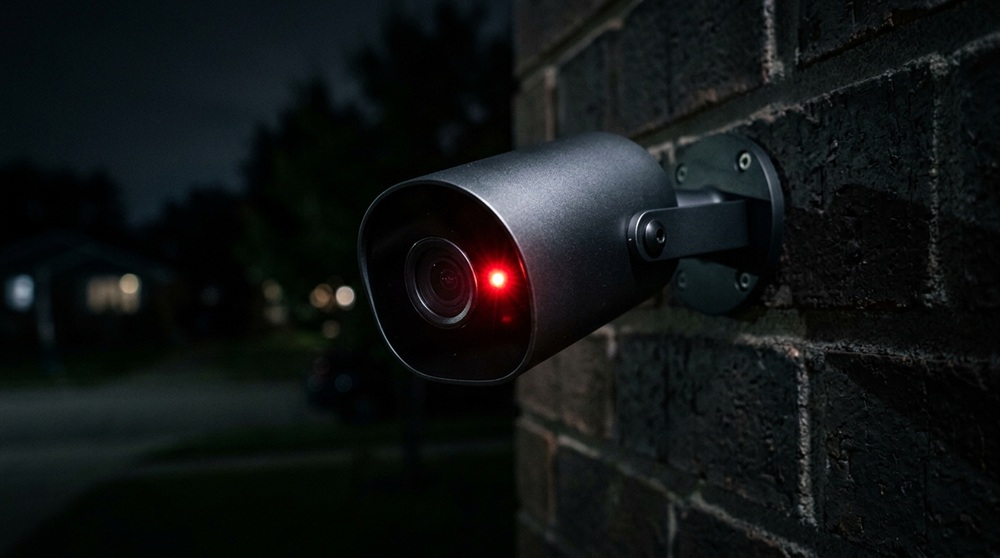
Modern smart doorbells provide real-time alerts, high-definition video, and two-way communication, offering both convenience and enhanced home security, whether you’re home or away.
3. Smart Locks
Keyless entry systems allow remote locking and unlocking, temporary access codes for guests, and activity logs, providing greater control and security over who enters your home.
4. Smart Lighting Systems
Beyond simple on/off control, modern smart lighting offers customizable schedules, motion-based automation, and energy-efficient options that adapt to daily routines.
5. Smart Plugs and Outlets
Affordable and easy to install, smart plugs allow you to control regular appliances remotely, adding basic automation without replacing existing devices.
6. Robot Vacuums and Mops
Increasingly intelligent navigation and mapping capabilities make robot vacuums more efficient, handling regular cleaning with minimal supervision.
7. Smart Smoke and Carbon Monoxide Detectors
These devices send instant alerts to your phone, providing peace of mind even when you’re away from home, unlike traditional detectors that only sound locally.
8. Smart Water Leak Detectors
Placed near appliances or plumbing, these devices detect leaks early, potentially preventing costly water damage before it becomes a major issue.
Choosing the Right Smart Home Ecosystem
Compatibility Matters
Before purchasing devices, consider which smart home ecosystem, such as Google Home, Amazon Alexa, or Apple HomeKit, you plan to use, ensuring seamless integration across devices.
Start With Priorities
Rather than buying everything at once, identify your household’s biggest needs, whether security, energy efficiency, or convenience, and build your smart home system gradually.
Benefits of a Connected Home
Energy Efficiency
Smart devices often reduce unnecessary energy consumption through automation and detailed usage tracking, leading to noticeable savings over time.
Enhanced Security
Remote monitoring and instant alerts provide greater peace of mind, whether you’re at work or traveling.
Increased Convenience
Automating routine tasks, from adjusting lighting to starting the coffee maker, simplifies daily life significantly.
Considerations Before Investing
Privacy and Data Security
Smart devices collect data to function effectively, making it important to understand each product’s privacy policies and security measures.
Reliability on Internet Connectivity
Most smart home devices require stable internet access, meaning connectivity issues can temporarily limit functionality.
Final Thoughts
Smart home devices in 2026 offer genuine practicality beyond simple novelty, enhancing security, efficiency, and daily convenience. By choosing devices thoughtfully and building your system gradually, you can create a connected home that truly simplifies everyday life.
Ready for the next topic whenever you are.