
Every email, purchase, and login leaves a digital trail, making personal data more vulnerable than ever. With cyber threats growing increasingly sophisticated, protecting your personal information requires more than just a strong password.
Why Personal Cybersecurity Matters
Data breaches, identity theft, and phishing scams can have lasting financial and emotional consequences. Understanding practical security habits helps individuals reduce risk without needing advanced technical expertise.
Essential Cybersecurity Practices
1. Use Strong, Unique Passwords
Reusing passwords across multiple accounts increases vulnerability if one account is compromised. Create long, unique passwords for each account, ideally combining letters, numbers, and symbols.
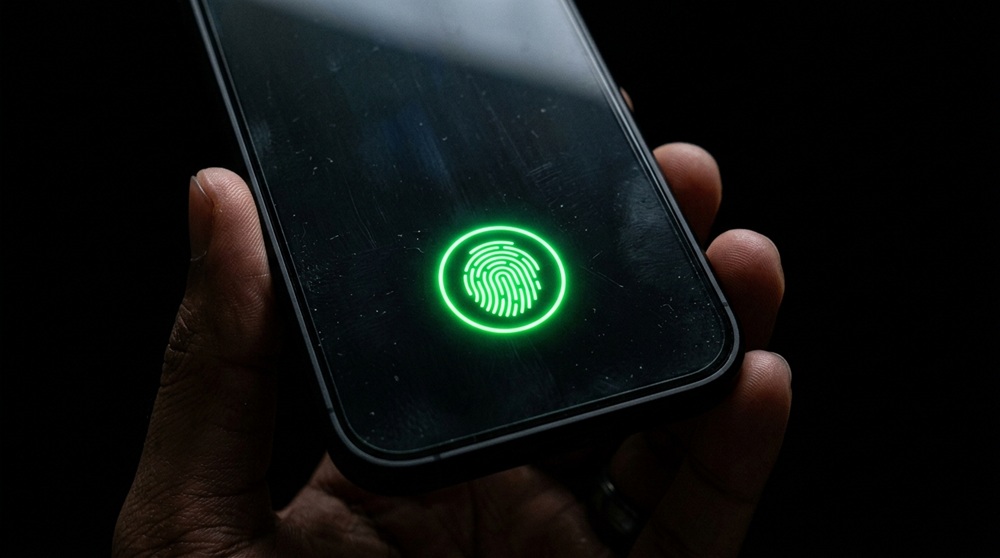
2. Enable Two-Factor Authentication
Adding a second verification step, like a code sent to your phone, significantly reduces the risk of unauthorized access, even if your password is compromised.
3. Use a Password Manager
Remembering dozens of complex passwords is impractical. Password managers securely store and generate strong passwords, reducing the temptation to reuse simple ones.
4. Be Cautious With Public Wi-Fi
Public networks are often unsecured, making it easier for hackers to intercept data. Avoid accessing sensitive accounts on public Wi-Fi, or use a VPN for added protection.
5. Keep Software and Devices Updated
Software updates often include critical security patches. Delaying updates leaves devices vulnerable to known exploits that hackers actively target.
Recognizing Common Threats
Phishing Emails and Messages
Cybercriminals often disguise malicious links or attachments as legitimate communications. Look for suspicious sender addresses, urgent language, or unexpected requests for personal information.
Fake Websites and Links
Always verify URLs before entering personal information, especially for banking or shopping sites. Small misspellings in web addresses often indicate fraudulent sites.
Social Engineering Scams
Scammers sometimes manipulate victims through phone calls or messages designed to create urgency or fear, pressuring them into revealing sensitive information.
Protecting Your Data Online
Limit Personal Information Sharing
Be mindful of how much personal information you share on social media, as details like birthdays or hometowns can be used in identity theft attempts.
Review Privacy Settings Regularly
Periodically check privacy settings on social media and apps to control who can access your personal information and activity.
Secure Your Home Network
Change default router passwords and enable encryption to prevent unauthorized access to your home network and connected devices.
Protecting Financial Information
Monitor Bank and Credit Statements
Regularly reviewing statements helps you catch unauthorized transactions early, minimizing potential financial damage.
Use Secure Payment Methods
Credit cards often offer better fraud protection than debit cards. Consider using virtual card numbers for online purchases when available.
Building Long-Term Cybersecurity Habits
- Back up important data regularly in case of ransomware attacks
- Avoid clicking unknown links even from seemingly familiar contacts
- Use antivirus software and keep it updated
- Educate yourself continuously as cyber threats constantly evolve
Final Thoughts
Protecting your personal data doesn’t require becoming a cybersecurity expert — it requires consistent, mindful habits. By implementing these practical steps, individuals can significantly reduce their vulnerability to cyber threats and safeguard their digital lives.
Ready for the next topic whenever you are.