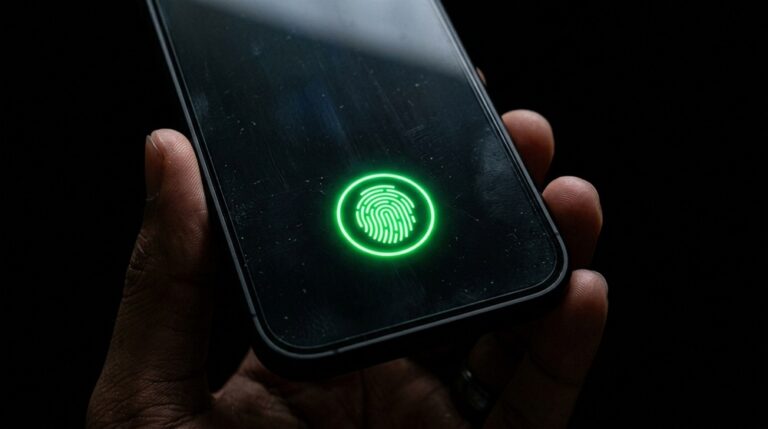


Technology moves fast, but misinformation moves just as quickly. Many widely believed “facts” about phones, computers, and the internet are outdated or simply untrue. Separating myth from reality helps you make smarter decisions about the devices you use every day.
Why Tech Myths Persist
Technology myths often start from a grain of truth that becomes outdated as devices evolve, or they spread through word-of-mouth without anyone verifying the claim. Once repeated enough times, misinformation starts to feel like common knowledge.
Popular Technology Myths Debunked
1. “Closing Background Apps Saves Battery”
Modern smartphones are designed to manage background apps efficiently. Constantly closing and reopening apps can actually use more battery and processing power than leaving them paused in the background.
2. “More Megapixels Always Mean Better Photos”
Photo quality depends on sensor size, lens quality, and image processing, not just megapixel count. A camera with fewer megapixels but better hardware can easily outperform one with a higher count.
3. “Incognito Mode Makes You Completely Anonymous”
Private browsing only prevents your browser from saving history and cookies locally. Your internet provider, employer, or the websites you visit can still track your activity.
4. “Leaving Your Phone Charging Overnight Ruins the Battery”
Modern devices are equipped with technology that stops charging once the battery reaches 100%, preventing overcharging damage that older devices were more susceptible to.
5. “You Need to Let Your Battery Fully Drain Before Charging”
This applies to older battery types, not modern lithium-ion batteries, which actually last longer with regular, partial charging rather than complete discharge cycles.
6. “Public Wi-Fi Is Always Dangerous”
While public Wi-Fi carries more risk than private networks, using secure websites (HTTPS) and a VPN significantly reduces the danger, making it far safer than commonly assumed.
7. “Macs Can’t Get Viruses”
While historically less targeted than Windows devices, Macs are not immune to malware or security threats, especially as their popularity has grown.
8. “Deleting a File Removes It Permanently”
Deleted files often remain recoverable until the storage space is overwritten with new data, meaning sensitive information can sometimes be retrieved even after deletion.
Why These Myths Matter
Misinformation Leads to Poor Habits
Believing outdated tech myths can lead to unnecessary habits, like excessive app closing, or false confidence in privacy and security practices.
Technology Changes Quickly
What was true for older devices often no longer applies to modern hardware and software, making it important to stay updated rather than relying on outdated assumptions.
How to Verify Tech Claims
Check Reputable Sources
Technology publications, manufacturer documentation, and cybersecurity experts provide more reliable information than casual online claims.
Be Skeptical of Absolute Statements
Claims that sound overly simplistic or universally true, like “never” or “always,” are often signs of oversimplified misinformation.
Stay Updated on Tech Changes
Since technology evolves rapidly, staying informed through credible sources helps you avoid relying on outdated advice.
Final Thoughts
Believing outdated technology myths can lead to unnecessary habits or false confidence in your digital security. By staying informed and questioning widely repeated claims, you can make smarter, more accurate decisions about the technology you rely on every day.
Ready for the next topic whenever you are.