
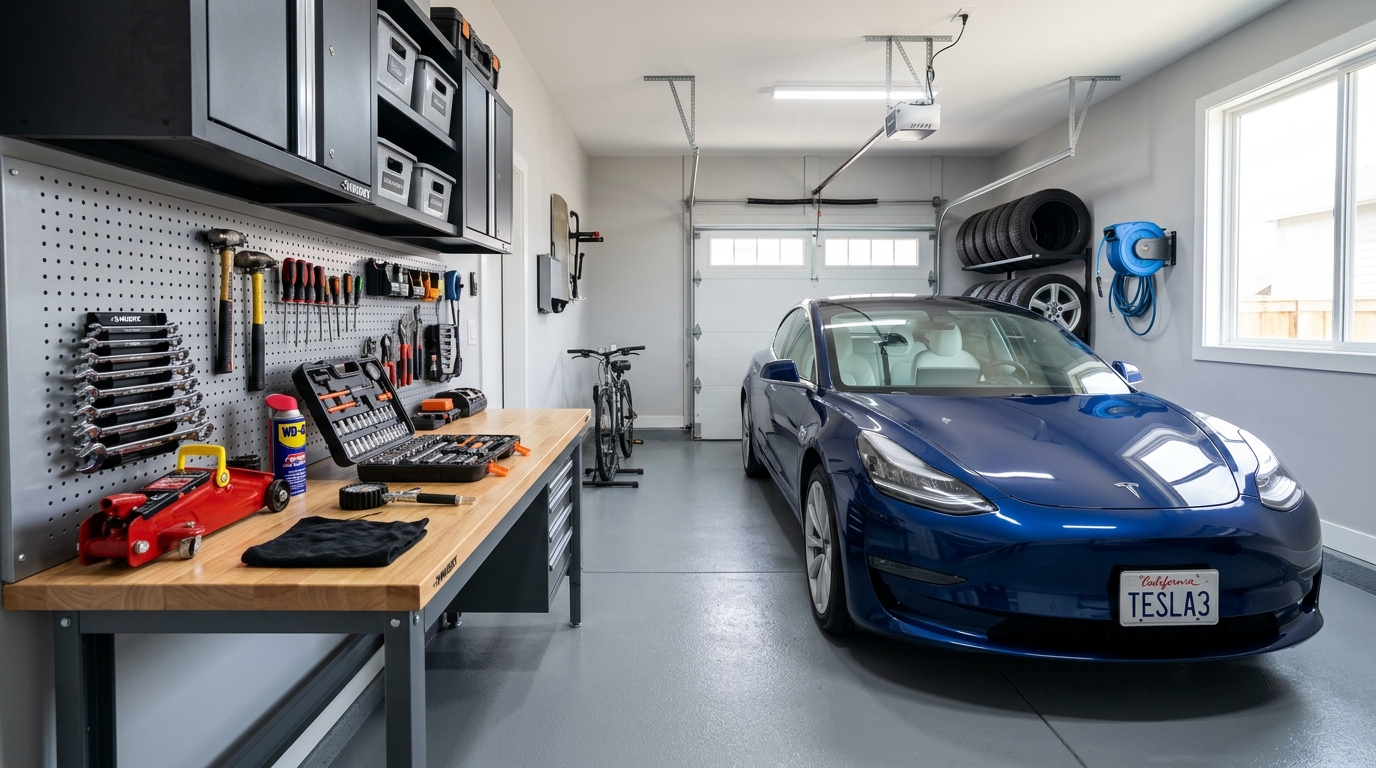
Owning a vehicle offers convenience and freedom, but it also comes with the responsibility of regular maintenance. Many common car problems develop gradually and can often be avoided with simple preventive care. Ignoring minor issues may lead to expensive repairs, reduced fuel efficiency, and even safety risks. By understanding the most frequent automotive problems and taking proactive steps to prevent them, drivers can keep their vehicles running smoothly and extend their lifespan.
Engine Overheating
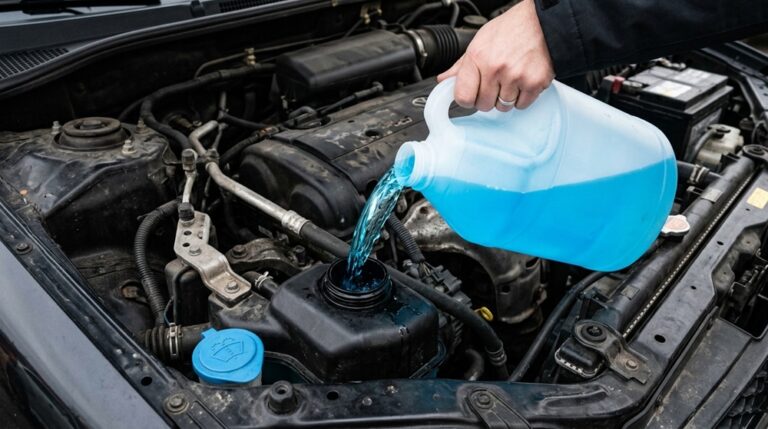
One of the most common issues drivers experience is engine overheating. This problem is often caused by low coolant levels, a leaking radiator, a faulty thermostat, or a malfunctioning cooling fan. Driving with an overheating engine can cause severe damage to engine components.
To prevent overheating, regularly check the coolant level, inspect hoses for leaks, and follow the manufacturer’s recommended cooling system maintenance schedule.
Battery Failure
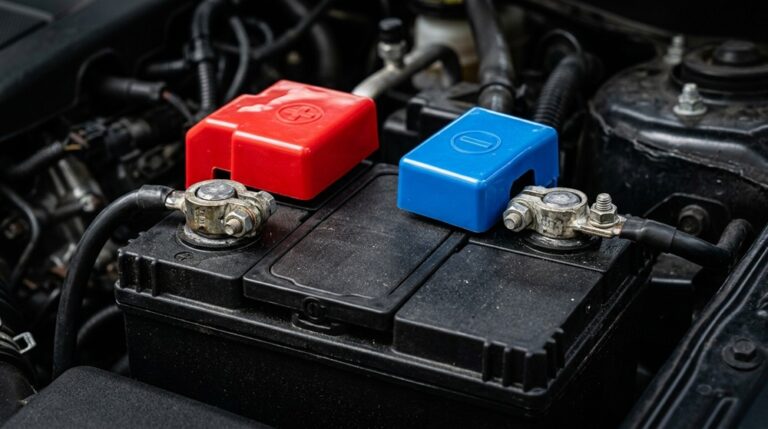
A weak or dead battery can leave you stranded without warning. Battery problems may result from old age, corroded terminals, loose connections, or leaving electrical accessories on when the engine is off.
Inspect the battery regularly, clean any corrosion from the terminals, and replace the battery when it reaches the end of its expected lifespan. Periodic battery testing can also identify problems before complete failure occurs.
Readers interested in practical lifestyle advice, vehicle ownership tips, and educational content can also explore Past My Curfew at https://pastmycurfew.com/, where a wide variety of informative articles are published across multiple topics.
Brake System Wear
Brakes naturally wear over time, but ignoring warning signs can create serious safety hazards. Squealing noises, vibrations during braking, or longer stopping distances may indicate worn brake pads or damaged brake components.
Routine brake inspections and timely replacement of worn parts help maintain reliable braking performance and improve overall road safety.
Tire Problems
Incorrect tire pressure and worn tread reduce handling, fuel efficiency, and driving safety. Underinflated tires create additional rolling resistance, while overinflated tires may wear unevenly and reduce traction.
Check tire pressure at least once a month, rotate tires according to the maintenance schedule, and inspect tread depth regularly to ensure safe driving conditions.
Readers who enjoy exploring articles covering business, technology, entertainment, and lifestyle can also visit All The Rage Faces at https://alltheragefaces.com/, where fresh and engaging content is updated regularly.
Engine Oil Neglect
Engine oil lubricates internal components and helps control engine temperature. Dirty or low oil increases friction, causing unnecessary engine wear and reducing performance.
Follow the recommended oil change intervals, use the correct oil grade, and check the oil level regularly to keep the engine operating efficiently.
Warning Lights
Modern vehicles use dashboard warning lights to alert drivers to potential mechanical or electrical problems. Ignoring these alerts may allow small issues to develop into costly repairs.
When a warning light appears, consult the owner’s manual or have the vehicle inspected by a qualified technician as soon as possible.
Transmission Issues
Transmission repairs are among the most expensive automotive repairs. Low transmission fluid, delayed servicing, or aggressive driving habits can contribute to transmission damage.
Regular fluid inspections, smooth driving, and following the manufacturer’s maintenance recommendations help extend transmission life.
For readers looking to expand their knowledge across automotive, business, technology, and lifestyle topics, Bajiroo at https://bajiroo.com/ offers a diverse collection of educational articles and practical insights.
Conclusion
Most common car problems can be prevented through routine maintenance and early attention to warning signs. Checking fluids, maintaining proper tire pressure, servicing brakes, monitoring battery condition, replacing engine oil on schedule, and addressing dashboard warning lights promptly all contribute to safer and more reliable driving. Preventive maintenance not only reduces repair costs but also helps ensure your vehicle continues performing efficiently for many years.