
Few things are more frustrating than tossing wilted vegetables or moldy fruit you forgot about in the fridge. Proper storage techniques can significantly extend the life of fresh produce, saving money and reducing unnecessary waste.
Why Proper Storage Matters
Fruits and vegetables have different storage needs based on their ripening process and sensitivity to temperature, moisture, and ethylene gas. Understanding these differences helps preserve freshness longer and prevents premature spoilage.
Understanding Ethylene Gas
What Is Ethylene Gas?
Some fruits and vegetables release ethylene gas as they ripen, which can speed up spoilage in nearby produce. Knowing which items produce or are sensitive to this gas helps you store them properly.
High Ethylene Producers
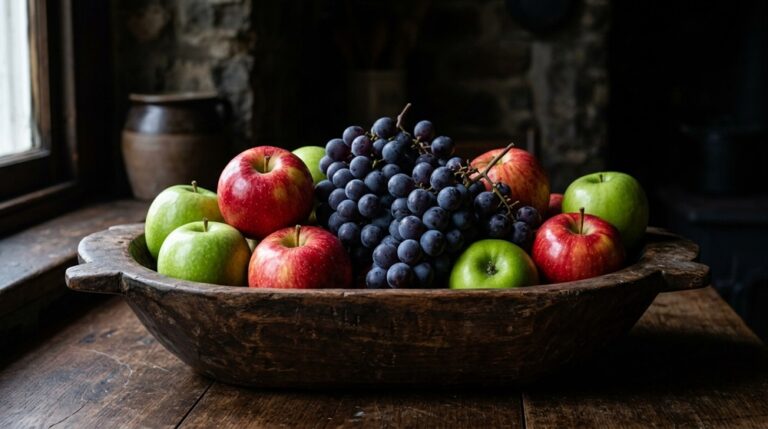
Apples, bananas, and avocados release significant ethylene gas and should be stored separately from ethylene-sensitive produce to prevent premature ripening.
Ethylene-Sensitive Produce
Leafy greens, broccoli, and berries are particularly sensitive to ethylene and spoil faster when stored near high-producing fruits.
Best Storage Practices by Produce Type
1. Leafy Greens
Wash, dry thoroughly, and store in a container lined with paper towels to absorb excess moisture. This prevents wilting and slimy leaves.
2. Root Vegetables
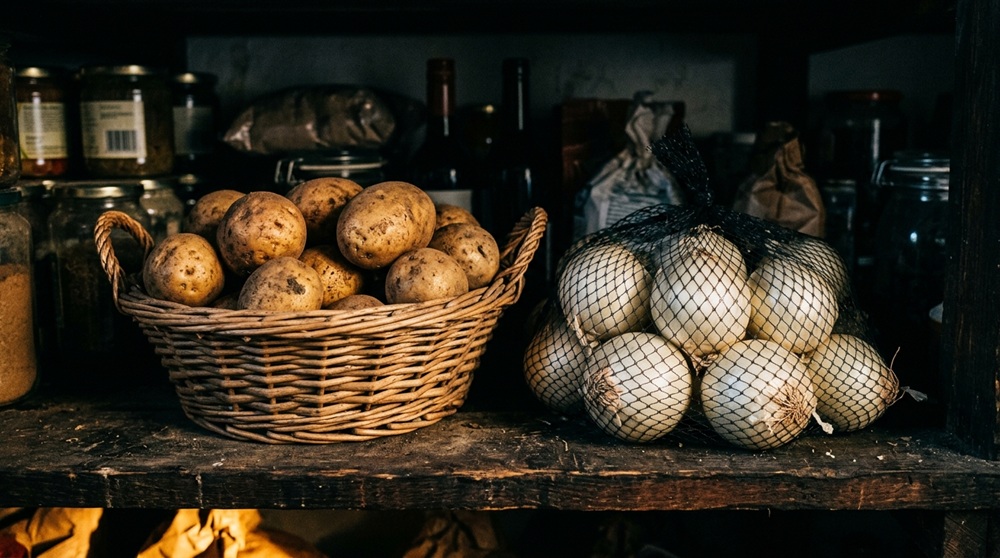
Potatoes, carrots, and onions last longer in cool, dark, well-ventilated spaces rather than the refrigerator, which can alter their texture and flavor.
3. Berries
Avoid washing berries until you’re ready to eat them, as excess moisture accelerates mold growth. Store them in a breathable container in the fridge.
4. Tomatoes
Keep tomatoes at room temperature, away from direct sunlight, to maintain optimal flavor and texture. Refrigeration can make them mealy.
5. Herbs
Treat fresh herbs like flowers by trimming stems and placing them in a glass of water, then covering loosely with a plastic bag in the fridge.
6. Citrus Fruits
Store citrus in the refrigerator’s crisper drawer to extend freshness, though they can also last several days at room temperature.
Smart Storage Tips for Longevity
Use the Right Containers
Breathable containers or produce bags help regulate moisture levels, preventing both drying out and excess condensation that leads to mold.
Don’t Wash Before Storing
Excess moisture speeds up spoilage. Wash produce right before eating or cooking rather than immediately after purchasing.
Organize Your Fridge Strategically
Use crisper drawers for humidity-sensitive items and keep ethylene-producing fruits separate from sensitive vegetables.
Reducing Waste Through Smart Habits
Plan Purchases Around Usage
Buy only what you’ll realistically use within a reasonable timeframe to avoid excess spoilage.
Freeze Excess Produce
Vegetables and fruits nearing spoilage can often be frozen for later use in smoothies, soups, or baked goods.
Use Wilting Produce Creatively
Slightly wilted vegetables work well in soups, stir-fries, or roasted dishes where texture matters less than in fresh preparations.
Final Thoughts
Proper produce storage is a simple yet powerful way to reduce food waste and save money. By understanding each item’s unique needs and applying a few smart techniques, you can keep fruits and vegetables fresher for longer while making the most of every grocery trip.
Ready for the next topic whenever you are.