
Stepping into the kitchen for the first time can feel overwhelming, especially with endless recipes, techniques, and tools to learn. The good news is that a handful of foundational tips can build confidence quickly and make cooking feel far less intimidating.
Why Building Kitchen Basics Matters
Mastering fundamentals before jumping into complex recipes sets you up for consistent success. Understanding core techniques means you can adapt to different dishes rather than relying solely on step-by-step instructions.
Essential Tips for New Cooks
1. Read the Entire Recipe First
Before starting, read through the whole recipe to understand the steps, timing, and ingredients needed. This prevents surprises halfway through cooking, like discovering a step requiring overnight prep.
2. Prep Ingredients Before Cooking
Chopping, measuring, and organizing ingredients beforehand, known as mise en place, keeps cooking smooth and prevents burning food while scrambling to prepare the next ingredient.
3. Invest in a Few Quality Tools
A sharp chef’s knife, sturdy cutting board, and reliable non-stick pan go further than a kitchen full of gadgets. Quality basics make everyday cooking easier and safer.
4. Learn to Season Properly
Season throughout the cooking process rather than only at the end. Tasting as you go helps you understand how flavors develop and adjust accordingly.
5. Understand Heat Control
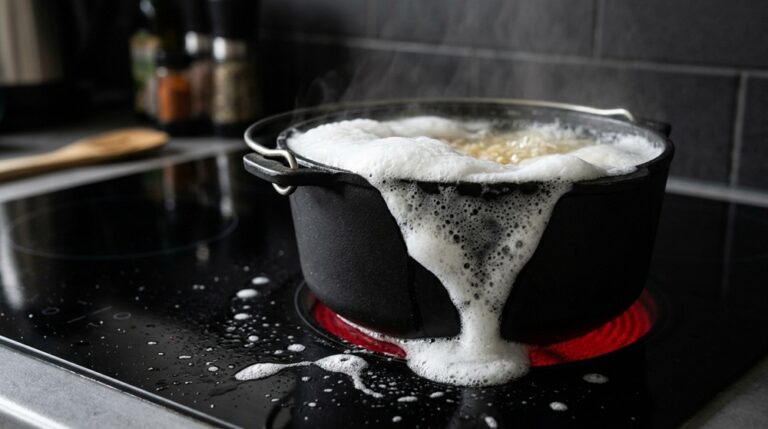
Many beginner mistakes come from cooking at the wrong temperature. Learning when to use high heat for searing versus low heat for simmering makes a significant difference in results.
Building Confidence in the Kitchen
Start With Simple Recipes
Choose recipes with fewer ingredients and straightforward techniques when starting out. Building confidence with basics makes tackling complex dishes easier later.
Don’t Fear Mistakes
Overcooked pasta or a collapsed soufflé are part of the learning process. Every experienced cook has faced kitchen failures on the way to building skill.
Practice Basic Techniques
Knife skills, sautéing, and basic sauce-making are foundational techniques that apply across countless recipes, making practice time well spent.
Avoiding Common Beginner Mistakes
Overcrowding the Pan
Adding too much food at once traps steam and prevents proper browning, leading to soggy rather than crisp results.
Not Preheating Properly
Skipping proper preheating, whether for a pan, oven, or grill, often leads to uneven cooking and disappointing textures.
Constantly Flipping or Stirring
Resisting the urge to move food too often allows proper browning and searing, which builds flavor and improves presentation.
Helpful Habits to Develop
- Keep your workspace clean as you cook to stay organized and safe
- Taste frequently to build an intuitive sense of flavor balance
- Follow recipes closely at first, then experiment as confidence grows
- Learn from mistakes rather than getting discouraged by them
Stocking a Beginner-Friendly Pantry
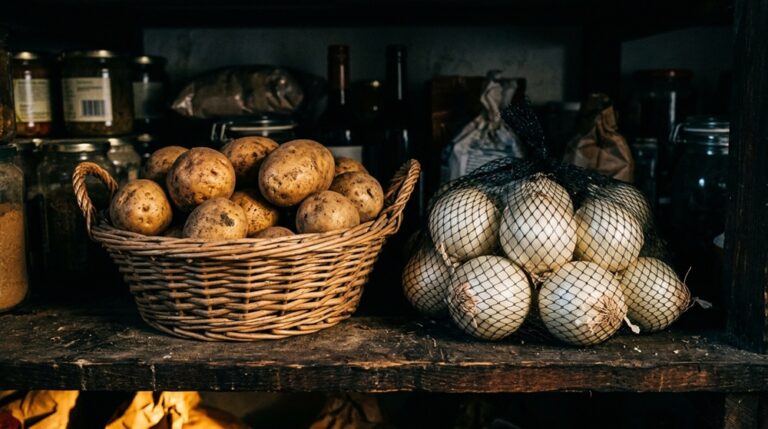
Keep versatile staples on hand, like olive oil, salt, garlic, onions, and a few basic spices. These essentials form the foundation for countless simple, flavorful meals.
Final Thoughts
Learning to cook doesn’t happen overnight, but mastering a few foundational tips can make the journey far less stressful. With practice, patience, and a willingness to learn from mistakes, beginner cooks can steadily build the skills and confidence needed to enjoy time in the kitchen.
Ready for the next topic whenever you are.