
Watching a two-hour film rarely reveals the years of planning, thousands of hours of labor, and countless creative decisions behind it. From an initial idea to the final cut, filmmaking is a complex process involving many stages and specialized teams working together.
The Development Stage
Where Ideas Begin
Every film starts as an idea, whether an original concept, a book adaptation, or a true story. Writers develop this idea into a script, often going through multiple drafts before it’s ready for production.
Securing Funding
Producers work to secure financing, pitching the project to studios, investors, or production companies. Budget determines nearly every decision that follows, from casting to special effects.
Pre-Production Planning
Casting the Right Actors
Casting directors audition performers to find the right fit for each role, balancing talent, chemistry, and audience appeal.
Scouting Locations
Location scouts search for settings that match the story’s needs, whether natural landscapes, urban environments, or specially built sets.
Building the Creative Team
Directors assemble key department heads, including cinematographers, production designers, and costume designers, to establish the film’s visual and creative direction.
The Production Phase
Principal Photography
This is when actual filming takes place. Scenes are rarely shot in chronological order, instead organized based on location availability, actor schedules, and logistical efficiency.
Coordinating Large Crews
Dozens to hundreds of crew members work together during filming, including camera operators, sound technicians, lighting crews, and set designers, all coordinated by the director and production team.
Capturing Multiple Takes
Directors often film multiple takes of the same scene to ensure they have enough footage and performances to choose from during editing.
Post-Production Magic
Editing the Story Together
Editors piece together footage, shaping pacing, tone, and narrative flow. This stage can dramatically change how a story feels compared to the raw footage.
Adding Visual Effects
For films requiring CGI or visual effects, specialized artists and studios spend months creating and refining digital elements to integrate seamlessly with live-action footage.
Sound Design and Music
Sound designers add effects, dialogue adjustments, and ambient sound, while composers create original scores that enhance the emotional impact of key scenes.
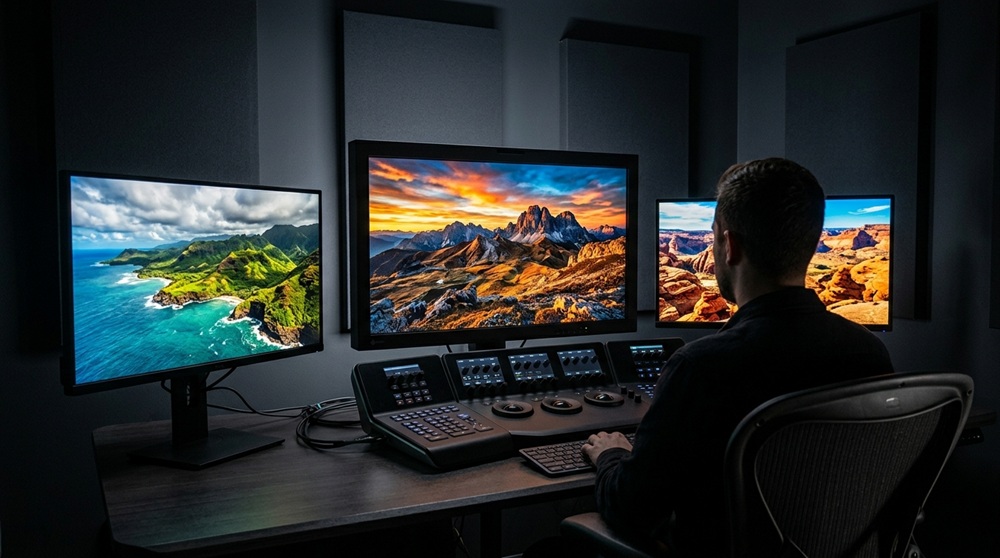
Color Grading
Colorists adjust the film’s color palette and tone, creating a consistent visual style that supports the story’s mood and atmosphere.
Marketing and Distribution
Building Buzz
Marketing teams create trailers, posters, and promotional campaigns months before release to generate audience anticipation.
Choosing Release Strategy
Studios decide between theatrical releases, streaming premieres, or hybrid approaches, based on target audiences and current market trends.
The Collaborative Nature of Filmmaking
Countless Contributors
From script supervisors to stunt coordinators, filmmaking relies on the expertise of numerous specialized roles working seamlessly together.
Problem-Solving Under Pressure
Weather delays, budget constraints, and unexpected challenges are common, requiring flexibility and creative problem-solving throughout production.
Final Thoughts
The magic audiences see on screen represents the culmination of meticulous planning, technical expertise, and collaborative creativity. Understanding the filmmaking process reveals just how much work goes into bringing stories to life, one carefully crafted scene at a time.
Ready for the next topic whenever you are.