
Losing one tooth can feel oddly bigger than it sounds. You notice the gap when you smile, when you chew, when your tongue keeps finding the empty space. You may be thinking, “It’s just one tooth, so why does replacing it seem like such a process?” That reaction makes sense. A missing tooth affects more than appearance, and a careful Lodi dentist does not look at that space in isolation.
Before recommending treatment, dentists study how your teeth meet, how your gums support them, how your jawbone has changed, and whether nearby teeth have drifted or worn down. The goal is not just to fill a gap. It is to restore comfort, function, and balance, so the replacement works with your whole mouth instead of creating a new problem somewhere else. That is why full smile assessment before tooth replacement matters so much in family and cosmetic and implant dentistry.
The Missing Tooth Changes More Than the Empty Space
One missing tooth can set off a chain reaction. The teeth next to the gap may lean inward. The tooth across from it may begin to move because it has lost its biting partner. Your bite can shift without you noticing at first, then months later you are dealing with jaw soreness, food trapping, or uneven wear.
That is why a dentist starts with the entire smile. They check gum health, bone levels, tooth alignment, existing fillings or crowns, and signs of clenching or grinding. If you replace a tooth without understanding those factors, the new restoration may look fine on day one and fail under pressure later.
This is especially true with dental implants. The FDA explains that dental implants require careful planning, including bone support, healing ability, and overall oral health. An implant is not just a screw and crown. It becomes part of your bite, and your bite is a system.
Smile Evaluation Before a Dental Implant Protects Function and Appearance
When dentists perform a smile evaluation before a dental implant, they are looking for hidden strain. A patient may come in wanting the fastest fix for a back tooth, but the exam shows gum inflammation, a cracked molar on the other side, and heavy wear on the front teeth from grinding at night. Replacing the missing tooth without addressing those issues can overload the new work.
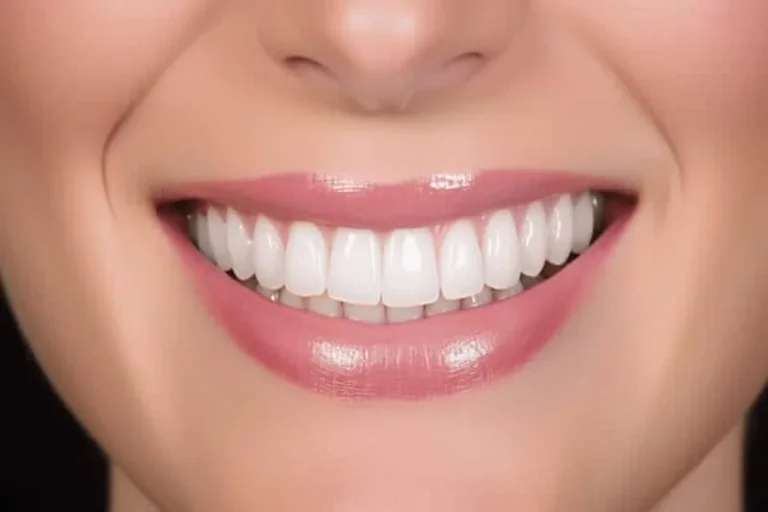
Appearance matters too. If the missing tooth is visible when you smile, the dentist studies lip line, gum symmetry, tooth shape, and color. A single replacement that is slightly too long, too flat, or too bright can stand out immediately. Cosmetic planning is not vanity. It is part of making the result feel like your own smile again.
Medical history also enters the picture. Healing can be affected by smoking, diabetes, certain medications, or past periodontal disease. The broader health connection is well documented in the National Institute of Dental and Craniofacial Research’s Oral Health in America report, which shows how oral conditions and general health often overlap. Good planning lowers surprises.
Tooth Replacement Planning Often Starts With the Gums and Bone
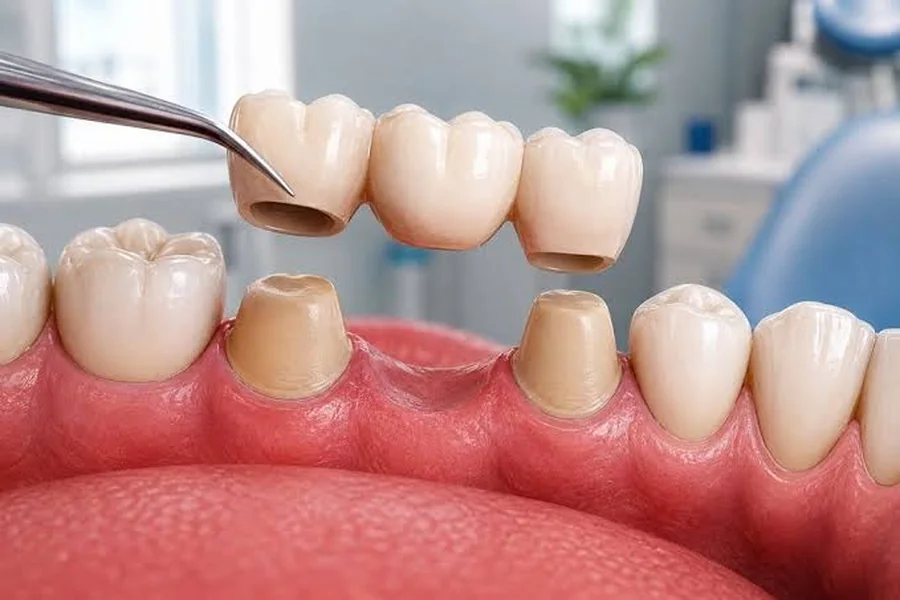
Many people assume the replacement choice comes first. Often, the foundation comes first. If the gums are inflamed or the bone has shrunk after tooth loss, treatment may need to begin there. Bone loss after a missing tooth is common, and MedlinePlus outlines how tooth loss can affect oral function and surrounding structures. That matters because bridges, implants, and partial dentures each depend on different kinds of support.
Here is the hard part for many patients. You may want a simple answer, but the honest answer depends on what your mouth can support long term. A dentist who slows down to evaluate everything is not making things harder. They are trying to keep you from paying twice, once for the first treatment and again for the correction.
Whole Smile Evaluation Creates Better Treatment Choices
| What the Dentist Evaluates | Why It Matters Before Replacing One Tooth | What Can Happen If It Is Missed |
|---|---|---|
| Bite alignment | Shows how the new tooth will contact opposing teeth | Premature wear, discomfort, crown or implant overload |
| Gum health | Healthy gums support any restoration | Inflammation, poor healing, unstable result |
| Jawbone volume | Determines whether an implant has enough support | Need for grafting, implant failure risk |
| Condition of nearby teeth | Helps decide between implant, bridge, or other options | Damage to weak neighboring teeth, missed decay or cracks |
| Smile line and tooth shape | Guides natural cosmetic blending | Visible mismatch in color, size, or gum contour |
| Grinding or clenching habits | Reveals added stress on the replacement | Chipping, loosening, repeated repairs |
This is the difference between replacing a tooth and restoring a smile. Replacing a missing tooth sounds simple, but the best outcomes come from seeing the full pattern first.
Three Steps You Can Take Before Choosing Treatment
Ask for a full bite and gum evaluation. If the conversation jumps straight to the replacement without checking the health of the surrounding teeth, gums, and bone, ask for a broader exam. You want to know what is stable, what is changing, and what could affect the result.
Discuss more than one option. A single missing tooth may be treated with an implant, bridge, or removable option depending on your health, budget, and goals. Ask what each choice means for cleaning, longevity, comfort, and future dental work.
Bring up habits and health conditions. Grinding, smoking, dry mouth, diabetes, and past gum disease all matter. These details can feel unrelated, but they shape healing and long term success. Sharing them early helps your dentist plan more accurately.
Careful Planning Leads to a Stronger, More Natural Result
If you are replacing one missing tooth, you are not overthinking it by wanting a dentist to look at the whole picture. That is the right standard. A well planned restoration should let you chew comfortably, protect nearby teeth, and blend into your smile without drawing attention to itself.
Family and cosmetic and implant dentistry works best when the decision is built on the condition of your entire mouth, not just the gap you can see. If you are ready to move forward, schedule an evaluation and ask for a treatment plan that explains how your bite, gums, bone, and smile all fit into the final recommendation.