
Nature has a way of providing exactly what our bodies need throughout the year. Each season brings its own lineup of fruits, packed with specific nutrients that support immunity, hydration, and overall wellness in ways that align with the time of year.
Why Seasonal Fruit Timing Matters
Fruits ripened naturally during their proper season carry higher concentrations of vitamins, antioxidants, and water content. Understanding which fruits shine in each season helps you make the most of their nutritional benefits while enjoying better flavor.
Spring Fruits and Their Benefits
Strawberries
Rich in vitamin C and antioxidants, strawberries support immune function and skin health while offering a naturally sweet, low-calorie treat.
Cherries
Cherries contain anti-inflammatory compounds and melatonin, which may support better sleep and help reduce muscle soreness after exercise.
Apricots
Packed with vitamin A and fiber, apricots support eye health and digestion while providing a good source of potassium.
Summer Fruits and Their Benefits
Watermelon
With over 90% water content, watermelon is excellent for hydration during hot months, while also providing lycopene, an antioxidant linked to heart health.
Peaches
Peaches offer vitamins A and C along with fiber, supporting skin health and digestion during peak summer months.
Berries
Blueberries, raspberries, and blackberries are loaded with antioxidants that support brain health and help reduce inflammation throughout the body.
Fall Fruits and Their Benefits
Apples
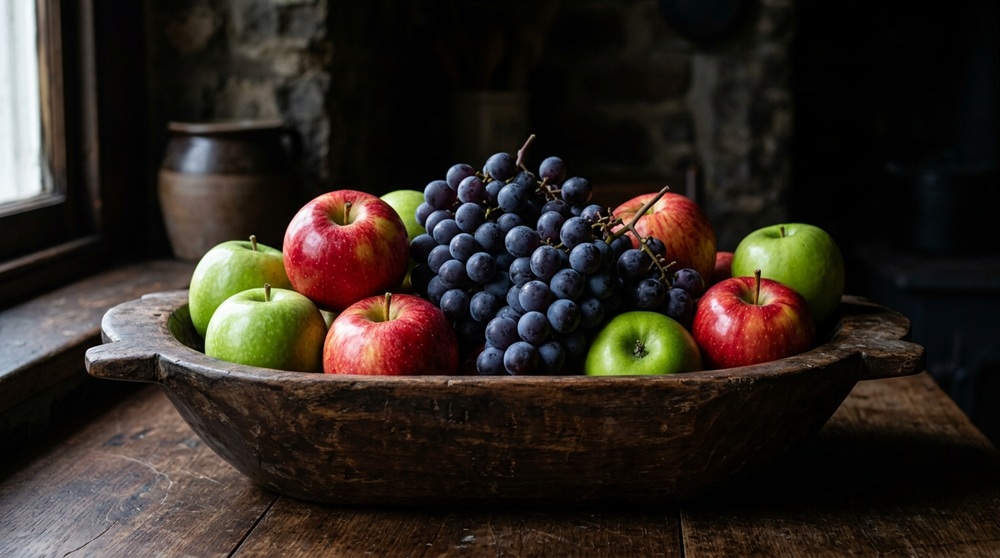
High in fiber and antioxidants, apples support digestive health and may help regulate blood sugar levels, making them a satisfying fall staple.
Pears
Pears provide fiber and vitamin C, supporting digestion and immune function as temperatures begin to cool.
Pomegranates
Rich in antioxidants, pomegranates support heart health and have anti-inflammatory properties that benefit overall wellness.
Winter Fruits and Their Benefits
Citrus Fruits
Oranges, grapefruits, and lemons provide a strong dose of vitamin C, helping support immune function during cold and flu season.
Pears and Persimmons
These fruits offer fiber and essential vitamins, providing nutritious options when fresh produce choices become more limited.
Kiwi
Surprisingly high in vitamin C, kiwi also provides fiber and supports digestive health throughout winter months.
Maximizing the Benefits of Seasonal Fruit
Eat a Variety of Colors
Different colored fruits offer different antioxidants and nutrients, so rotating through seasonal options ensures broader nutritional coverage.
Choose Whole Fruit Over Juice
Whole fruit retains fiber that’s often lost in juicing, providing more sustained energy and better blood sugar control.
Pair With Protein or Fat
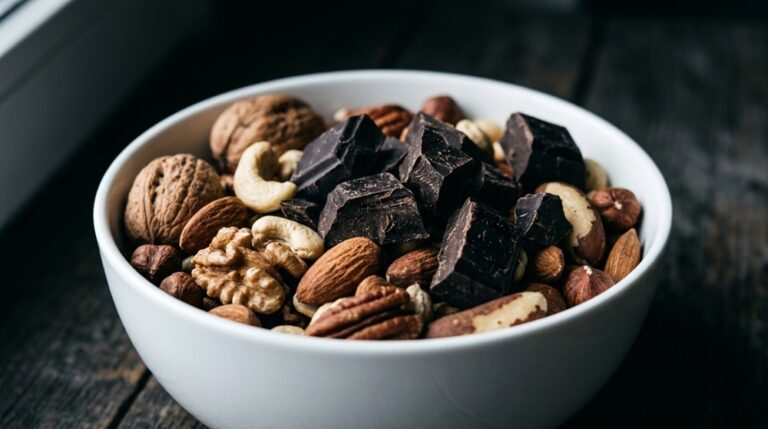
Combining fruit with nuts, yogurt, or nut butter slows sugar absorption, keeping energy levels more stable.
Simple Ways to Enjoy Seasonal Fruit
- Add to breakfast with oatmeal, yogurt, or smoothies
- Snack on fresh fruit instead of processed alternatives
- Incorporate into salads for natural sweetness and texture
- Freeze extras to enjoy seasonal flavors year-round
Final Thoughts
Seasonal fruits offer more than just great taste — they provide targeted nutritional benefits that align with your body’s needs throughout the year. By incorporating a variety of seasonal options into your diet, you support better health naturally while enjoying nature’s freshest offerings.
Ready for the next topic whenever you are.