

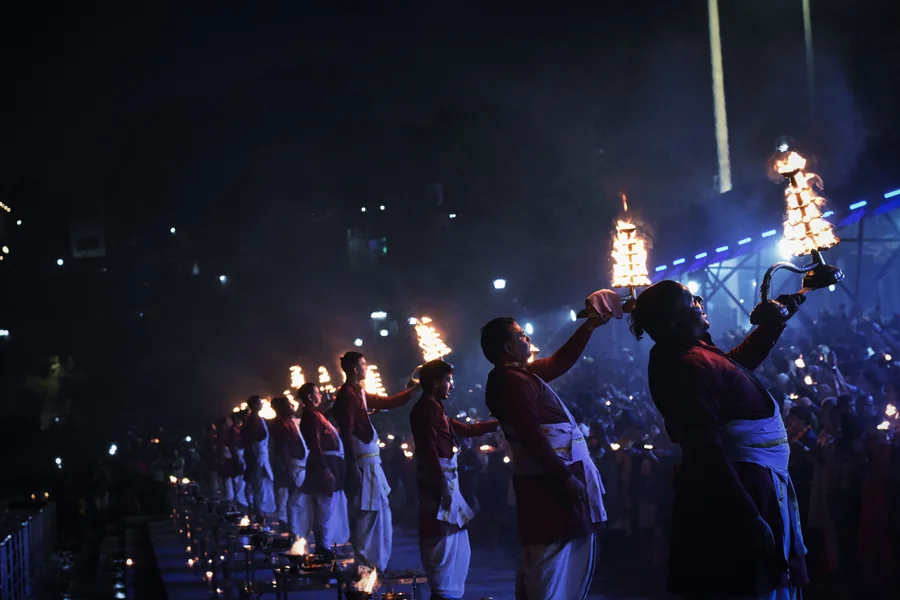
On the full moon of Kartik, about fifteen days after Diwali, the ghats of Varanasi light up a second time. Nearly a million clay diyas line the steps from Assi to Rajghat, and the Ganga carries their reflection downstream. Poets of the city treat the night as a standing assignment, with one lamp, two lines, and a whole feeling folded inside. Tea stalls near Manikarnika swap notebooks, boatmen recite half remembered verses of Mir and Ghalib, and by nine in the evening a good couplet has usually passed from Assi to Rajghat on nothing but whispers and borrowed pens.
Every shayar borrows pictures from daily life, and the borrowing keeps the form young. A student in Lucknow once compared a rising flame to the steady climb of a plane in an aviator online game, where a small shape lifts higher each second and the eye cannot look away. That is exactly the kind of fresh image a couplet needs to feel alive. The same instinct once turned trains, telegraph wires and radio into metaphors for longing, and today’s screens offer the next supply of pictures for anyone willing to look.
How a Lamp Becomes a Couplet
A sher has two lines, a repeating radif and a qafia that rhymes just before it. On Dev Deepawali the word “diya” makes a natural radif, returning at the end of each line the way a flame returns to its wick. Keep the picture single. One lamp, one wish and one river are plenty for about twenty syllables a line. Crowding in a second metaphor halfway through usually weakens the closing phrase, which is where the listener’s attention peaks.
Poets writing for the ghats usually reach for three images:
- The flame bending toward the wind yet refusing to go out
- The river as a mirror that doubles every light placed on it
- The ancestors and soldiers for whom the lamps are offered
What the Night Looks Like From the Steps
Picture Dashashwamedh Ghat at half past six. Seven priests lift brass lamps in rhythm, boats rented by the hour drift close with families wrapped in shawls, and a vendor sells leaf cups of diyas for twenty rupees a set. Notice the small things, such as wax dripping on a thumb or a diya spinning away on the current. These details are what make a verse sound witnessed instead of copied. A line about the smell of marigolds and burnt ghee will always beat a line about divine light in general.
Choosing a Form for Your Verses
Not every feeling fits two lines. Some nights ask for four, others for a full ghazal passed around a boat. The table below compares the forms poets most often bring to the water.
| Form | Length | Suits the ghats when |
| Sher | 2 lines | You want one sharp image |
| Rubai | 4 lines | The lamp carries a small story |
| Ghazal | 5 to 12 couplets | A group reads together |
| Nazm | 8 lines or more | You describe the whole procession |
Beginners do well with the sher. It forces a decision about what matters, and it travels easily, since a couplet fits on a diya leaf or in a phone message to a friend who could not come. Seasoned poets in the city still draft ten or fifteen of them before choosing the one worth reading aloud.
Writing the Couplet Step by Step
Start from something you actually saw, not from a grand idea. Last year a poet from Patna noted only a widow placing a single diya apart from the crowd, and her whole sher grew from that gap. Then work through a simple order.
- Write the image in plain speech, one sentence.
- Choose the radif, usually “diya” or “roshni”.
- Find a qafia that rhymes without forcing the meaning.
Read the result twice before touching it. If one word does no work, remove it, because a sher survives on what it leaves out.
Reading Your Lines Aloud on the Ghats
A couplet lives in the voice. Slow down at the qafia, pause before the radif, and let the river noise fill the silence. Many readers at the ghats, speaking over temple bells and chatter, keep a gentle pace of about two lines every ten seconds, which lets listeners finish the thought before the next lamp drifts by.
Carry a small notebook and a pencil, since ink smudges near water. Some of the best lines of the night are scribbled on a wet step and fixed the next morning, when the diyas have burned out and the city is quiet again. Bring those lines back to a friend, read them over tea, and trim once more.