

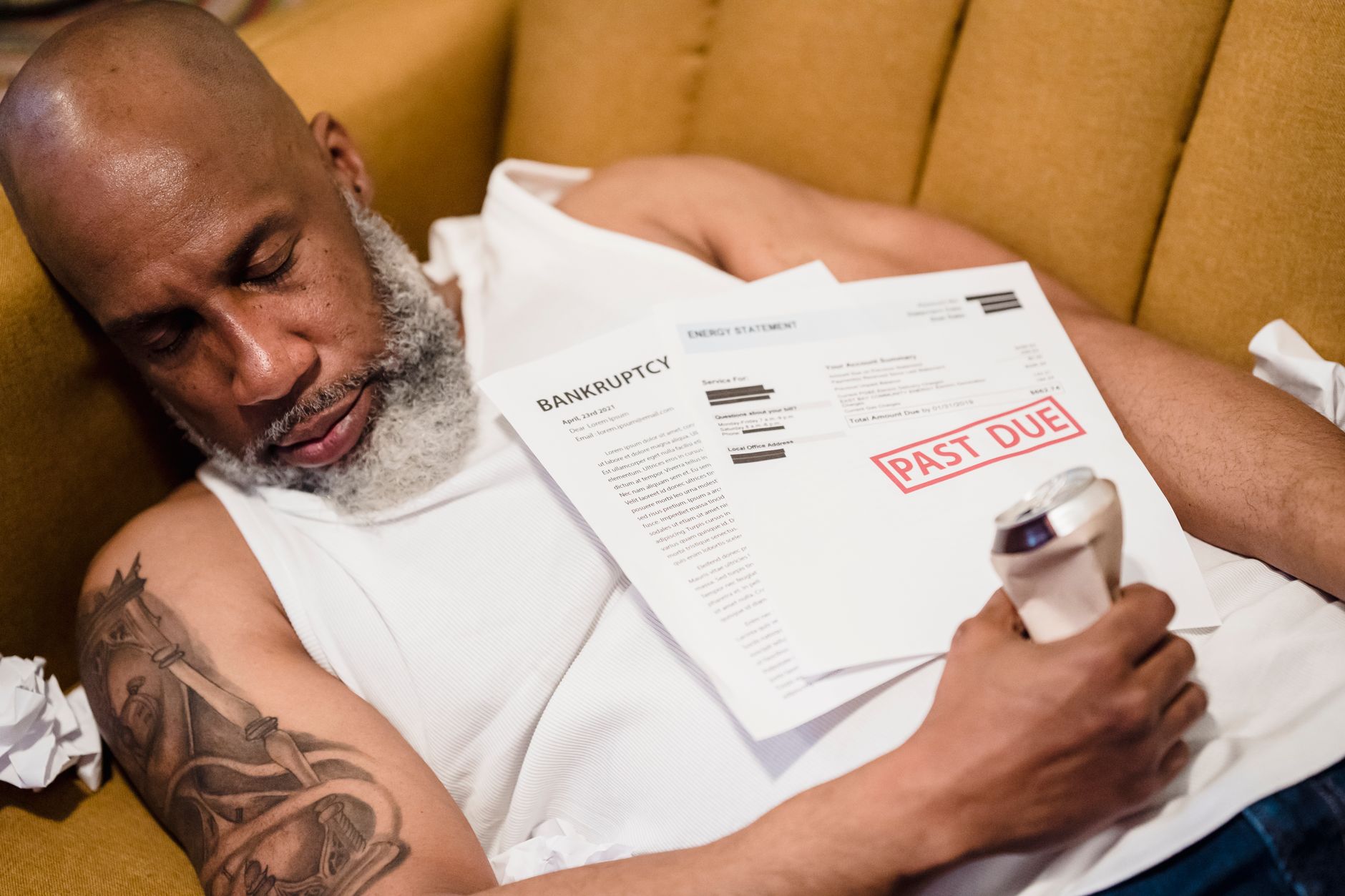
Debt has a way of taking over the whole room. It follows you into work, sits with you at dinner, and shows up the second your phone rings. If you are comparing Chapter 7 and Chapter 13, you are probably not doing it out of curiosity. You are trying to stop the pressure, protect what you can, and find a path that does not leave you in worse shape six months from now. My Affordable Attorney can help you understand your options.
The short version is simple. Chapter 7 is often faster and can erase many unsecured debts, but it may involve giving up nonexempt property. Chapter 13 is built around a repayment plan, which can help you keep property and catch up on missed payments over time. The better choice depends on your income, assets, debt type, and what you need to protect right now.
Chapter 7 bankruptcy vs Chapter 13 bankruptcy is not really a question of which one is better in general. It is a question of which one fits your life. Under Chapter 7, a trustee may sell certain nonexempt assets, and many unsecured debts like credit card balances and medical bills may be discharged. The process is usually shorter. The federal courts provide a clear overview of Chapter 7 bankruptcy basics.
That speed matters when you are buried in unsecured debt and do not have meaningful assets at risk. If you lost work, relied on credit cards to get through, and now the minimum payments are impossible, Chapter 7 can offer a cleaner reset. The stress often comes from the fear that there must be a catch. There can be limits. Some debts are not dischargeable, and eligibility depends in part on your income and the means test.
Chapter 13 works differently. Instead of liquidating assets, you propose a repayment plan that usually lasts three to five years. That structure can help if you are behind on mortgage payments, car payments, or taxes and need time to catch up. The federal courts explain Chapter 13 bankruptcy basics in plain terms.
This is where the emotional side hits hard. You may be thinking, “I can afford something, just not everything all at once.” That is often the Chapter 13 situation. You have income, but the arrears are crushing you. A repayment plan can stop collection activity and create breathing room, though it also asks for years of discipline. Missed plan payments can put the case at risk.
Personal bankruptcy options affect your home, car, and peace of mind
Personal bankruptcy options carry real tradeoffs. If your top priority is wiping out unsecured debt fast, Chapter 7 may be the stronger fit. If your top priority is saving a home from foreclosure or keeping a car while catching up on missed payments, Chapter 13 may offer tools Chapter 7 does not.
Picture two common situations. In the first, someone rents, owns little beyond basic household goods, and has overwhelming credit card and medical debt after an illness. Chapter 7 often lines up with that reality. In the second, someone has a steady paycheck but fell behind on a mortgage after a temporary setback. Chapter 13 may make more sense because it can spread those missed payments across a plan.
Neither chapter erases every problem. Student loans are usually difficult to discharge. Domestic support obligations usually remain. Secured debts involve their own rules because the lender has rights in the property. If you are sorting through bankruptcy options, the details matter more than the label.
Key differences between Chapter 7 and Chapter 13 bankruptcy
| Issue | Chapter 7 | Chapter 13 |
| Typical timeline | Usually a few months | Usually 3 to 5 years |
| Main approach | Discharge eligible unsecured debts | Repay debts through a court approved plan |
| Income requirements | Subject to means test and eligibility rules | Requires regular income to fund the plan |
| Property concerns | Nonexempt assets may be sold | Often used to keep property while catching up |
| Best fit in many cases | Heavy unsecured debt and limited assets | Need time to cure missed mortgage or car payments |
| Payment burden | No long repayment plan for discharged debts | Monthly plan payments for years |
The broader bankruptcy process also matters. Both chapters trigger an automatic stay in many cases, which can stop collection calls, lawsuits, garnishments, and foreclosure activity for at least some period. That relief can feel immediate. The long term outcome still depends on choosing the chapter that matches your finances.
Three steps can make the decision clearer
1. List the debts that are hurting you most. Separate unsecured debts like credit cards and medical bills from secured debts like a mortgage or car loan. If the main problem is unsecured debt, Chapter 7 may stand out. If the main problem is missed secured payments, Chapter 13 may deserve a closer look.
2. Make a simple asset and income snapshot. Write down your monthly take home pay, essential expenses, savings, home equity, vehicle value, and anything else you own of value. This helps show whether you may qualify for Chapter 7 and whether Chapter 13 payments are realistic.
3. Look at what you need to protect. Some people need speed. Some need to save a house. Some need to stop a wage garnishment before the next paycheck. When you know the priority, the choice between the two chapters usually gets less foggy.
The right bankruptcy chapter is the one that fits your real life
You do not need to feel ashamed for being here. Financial trouble often starts with one event, a job loss, an illness, a divorce, an accident, then grows faster than most people can contain. The right chapter is not the one that sounds strongest on paper. It is the one that deals honestly with your income, your property, and the debt pressure you are under.
If you are weighing Chapter 7 Vs. Chapter 13, take the next step and get advice based on your exact numbers, your deadlines, and what you need to keep. A clear review now can spare you from a choice that creates more stress later.