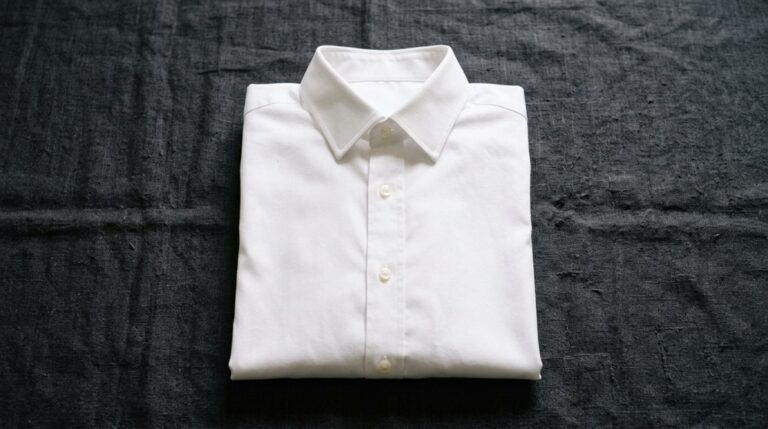

Fast fashion’s environmental toll has pushed many consumers to rethink how they shop for clothes. Sustainable fashion doesn’t require an overnight lifestyle change — small, intentional shifts can make a meaningful difference over time.
Why Sustainable Fashion Matters
The fashion industry is one of the largest contributors to pollution and waste worldwide. From excessive water use to textile waste in landfills, the impact of fast fashion extends far beyond your closet. Shopping smarter helps reduce this footprint while still letting you enjoy great style.
Simple Ways to Shop More Sustainably
1. Buy Less, Choose Well
Instead of purchasing frequently, focus on fewer, higher-quality pieces that last longer. This reduces overall consumption and minimizes waste from discarded fast fashion items.
2. Shop Secondhand First
Thrift stores, consignment shops, and online resale platforms offer stylish options while extending the life of existing garments, reducing demand for new production.
3. Choose Sustainable Fabrics
Look for materials like organic cotton, linen, hemp, or recycled fabrics, which typically require fewer resources and generate less environmental impact than synthetic alternatives.
4. Support Ethical and Sustainable Brands
Research brands committed to fair labor practices and eco-friendly production methods. Certifications like Fair Trade or GOTS can help identify genuinely responsible companies.
5. Invest in Timeless Pieces
Choosing classic, versatile styles over fast-changing trends reduces the temptation to constantly replace your wardrobe, extending the life of each piece.
Extending the Life of Your Clothes
Proper Garment Care
Washing clothes in cold water, air-drying when possible, and following care labels helps fabrics last longer and reduces energy consumption.
Learn Basic Repairs
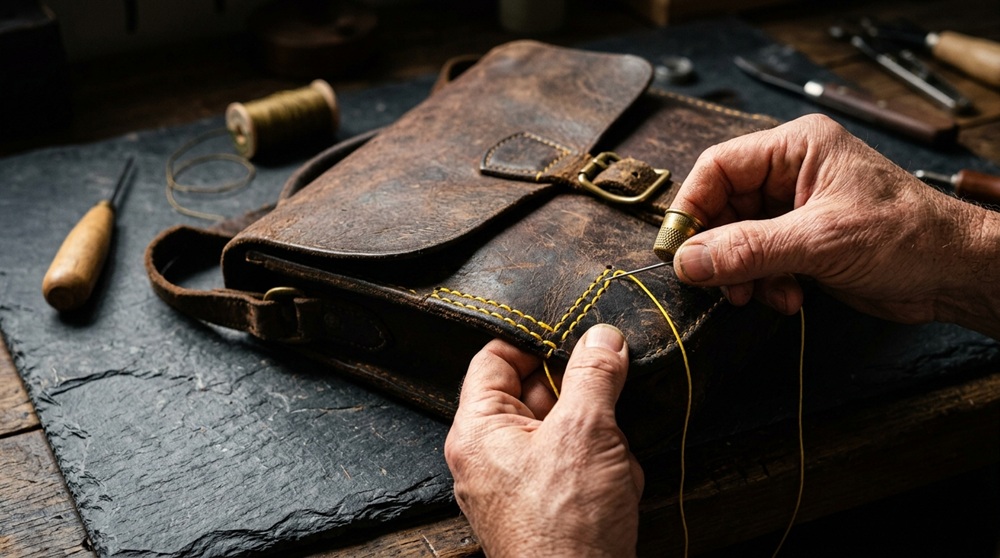
Simple skills like sewing a button or patching a small tear can extend a garment’s life significantly, saving money and reducing waste.
Rotate and Rediscover
Instead of buying new items, revisit your existing wardrobe. Restyling old pieces can feel like adding something new without any additional environmental cost.
Responsible Disposal Practices
Donate Instead of Discard
Clothes in good condition can be donated to shelters, thrift stores, or clothing swaps rather than ending up in landfills.
Recycle Worn-Out Items
Some brands and retailers offer textile recycling programs for garments too worn to donate, ensuring materials are repurposed responsibly.
Host or Join Clothing Swaps
Swapping clothes with friends or community groups offers a fun, cost-free way to refresh your wardrobe sustainably.
Smart Habits for Long-Term Change
- Research before purchasing to understand a brand’s sustainability practices
- Avoid impulse buying by giving yourself time before committing to a purchase
- Prioritize quality over quantity when building your wardrobe
- Repair rather than replace whenever possible
Final Thoughts
Sustainable fashion isn’t about perfection — it’s about making more mindful choices over time. By shopping smarter, caring for your clothes, and supporting responsible brands, you can enjoy great style while reducing your environmental impact.
Ready for the next topic whenever you are.